Typewriter 2: Capturing Authentic Vintage Character
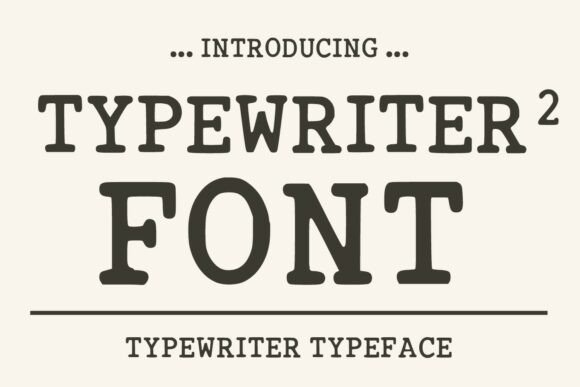
There is a particular kind of warmth that comes from seeing text that looks like it was punched onto paper by a heavy metal arm. It’s a texture that digital perfection often erases, but Typewriter 2 brings that tactile reality back to your screen. This typeface isn't just about looking old; it’s about capturing the specific, slightly imperfect charm of early twentieth-century office documents and classic mechanical typing machines. If you are working on a project that needs to feel grounded, authentic, and distinctly retro, this font provides that visual shorthand immediately.
The Visual Appeal of Imperfect Elegance
What sets Typewriter 2 apart from a standard monospaced font is its attention to detail in the "imperfections." Real typewriters didn't produce uniform ink coverage. The keys would sometimes strike harder or softer, and the ink ribbon would wear down. This premium font mimics that organic wear with bold serif characters that have a raw, handcrafted personality. It avoids looking like a generic digital reproduction, instead offering a textured look that feels like it was pulled from a detective story or a historical archive.
Because it is designed as a display font, it prioritizes style and atmosphere in larger sizes, such as headlines and titles. However, it maintains a surprising level of readability, making it versatile enough for shorter blocks of body text where you want to maintain that vintage atmosphere. It strikes a balance between the heavy, ink-stamped look of old manuscripts and the clarity required for modern communication.
Real-World Applications for Designers and Entrepreneurs
Understanding where a typeface shines is just as important as how it looks. Typewriter 2 is incredibly versatile, fitting seamlessly into both print and digital workflows. For those in the creative industry, the applications are vast.
Branding and Identity: If you are launching a brand that values heritage, craftsmanship, or a rustic aesthetic, this font is a strong contender for your primary logo design. It works exceptionally well for coffee shops, craft breweries, vintage clothing lines, and artisanal goods. It instantly communicates a sense of history and reliability.
Packaging and Labels: In packaging design, texture is king. Typewriter 2 adds a layer of tactile quality to labels that standard sans serif fonts often lack. Imagine this typeface on a jar of homemade jam, a bottle of hot sauce, or a box of stationery. It suggests that the product inside is made with care and attention to detail.
Editorial and Publishing: For book covers, particularly in the mystery, thriller, or historical fiction genres, this typeface sets the mood before the reader even turns a page. It is also excellent for magazine layouts and editorial design where you need pull quotes or headers that pop with personality. Publishers often use this style to evoke a sense of nostalgia or gritty realism.
Marketing and Social Media: In the crowded space of social media graphics, authenticity cuts through the noise. Using Typewriter 2 for Instagram quotes, promotional banners, or sale announcements can stop the scroll. It feels more personal and "human" than many modern, geometric fonts, which can help in building a connection with your audience.
Strategic Typography: Matching Fonts to Goals
Choosing a creative font like Typewriter 2 requires a bit of strategy to ensure it serves your project goals rather than just decorating it. Here are some practical tips for integrating this typeface into your workflow.
- Font Pairing is Essential: Because Typewriter 2 has such a strong personality, it pairs best with neutral companions. Try matching it with a clean sans serif font for body text. This contrast allows the vintage headers to stand out while ensuring the main content remains easy to read on screens.
- Readability Considerations: While it is great for headers, be cautious about using Typewriter 2 for long paragraphs of small text, especially on mobile devices. The textured edges that give it character can become visual noise at very small sizes. Use it for impact, not for dense information.
- Check Your Styles: A robust typeface family usually includes variations like bold, italic, or condensed versions. Before starting a large project, review the specific styles included with Typewriter 2 to ensure you have enough range to create a visual hierarchy without needing a second "character" font.
- Licensing for Growth: If you are a business owner, ensure you are looking at the commercial licensing. Using a high-quality commercial font ensures that your branding is legally protected and that you have access to updates and support. It is a small investment that protects your professional image.
Adding Soul to Digital Projects
We live in an era of high-resolution screens and vector-perfect graphics. While this is great for clarity, it can sometimes leave designs feeling sterile. Typewriter 2 acts as an antidote to that sterility. It introduces a human element—a sense of history and imperfection—that resonates emotionally with viewers.
Whether you are designing a wedding invitation that needs a vintage romantic vibe, a poster for a local theater production, or merchandise for a niche community, this typeface delivers. It helps create a cohesive brand identity that feels established and trustworthy. By choosing a font with this much character, you aren't just selecting letters; you are choosing a tone of voice for your visual communication.
Ultimately, Typewriter 2 is more than just a retro font. It is a design asset that allows you to tell a story. It bridges the gap between the analog past and the digital present, offering a tool that is both stylistically bold and functionally reliable. If your goal is to create designs that feel genuine, memorable, and full of personality, this typeface is well worth exploring for your next project.