Subway Graffiti: Capturing Urban Energy in Your Designs
There’s an undeniable pulse to city life, a raw, creative energy that lives on concrete walls and subway cars. It’s a visual language of rebellion, identity, and art. For designers, capturing that authentic urban vibe can be the key to creating work that resonates and feels genuinely current. This is where a typeface like Subway Graffiti comes into play, offering a direct conduit to that street-level aesthetic for a wide range of creative projects.
More Than Just a Font: A Visual Attitude
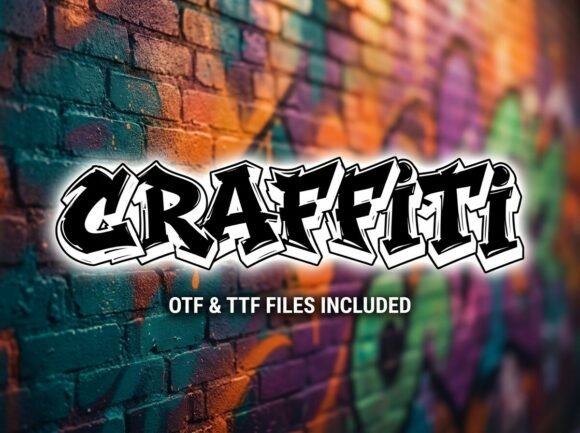
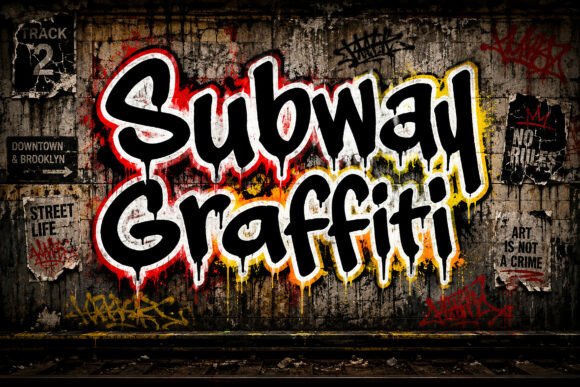
At its core, Subway Graffiti is a display typeface, meaning it’s crafted for impact at larger sizes, like headlines and logos, rather than for body text. What sets it apart is its deliberate emulation of hand-sprayed letterforms. The strokes feel gritty and organic, with edges that are sharp yet imperfect, just like real spray paint on a textured surface. This isn't a sterile, digitally perfect font; it carries the character of its inspiration. Each letter, number, and punctuation mark is designed with an unapologetic boldness, ensuring your typography does more than just convey a word—it conveys an attitude.
This style falls into the broader category of graffiti typography and street art fonts, but its specific execution aims for a level of authenticity that many similar fonts miss. It avoids looking cartoonish or overly stylized, instead leaning into a more mature, edgy aesthetic. The result is a premium font asset that can instantly inject a potent dose of street-inspired charisma into a design.
Practical Applications: Where Urban Typography Shines
The true test of any creative font is how it performs in real-world scenarios. Subway Graffiti’s versatile personality makes it suitable for a surprising variety of projects, bridging the gap between digital and print, and between commercial and personal work.
- Branding & Logo Design: For brands targeting a youth-oriented, urban, or counter-culture audience, this font can form the backbone of a brand identity. Think streetwear labels, skate shops, independent record stores, or edgy cafés. A logo set in Subway Graffiti immediately communicates a specific, rebellious vibe. It works exceptionally well for wordmarks or as a bold logotype paired with a simpler sans serif font for supporting text.
- Marketing & Social Media: In the fast-scroll world of social media, grabbing attention is paramount. Subway Graffiti is perfect for creating impactful social media graphics, Instagram story templates, or YouTube thumbnails. Its high-energy style can make a sale announcement, event promo, or product launch feel urgent and exciting. It’s a powerful tool in your design assets kit for campaigns that need to cut through the noise.
- Apparel & Merchandise: This is perhaps its most natural habitat. The font is ideal for apparel graphics, from t-shirts and hoodies to hats and tote bags. It translates beautifully to screen printing and embroidery, where its bold shapes ensure clarity. It’s also a top choice for sticker designs, skate deck graphics, and music album artwork, where the aesthetic is intrinsically linked to the product’s appeal.
- Editorial & Packaging Design: While not for long paragraphs, it can be a showstopper in editorial design. Use it for magazine covers, feature article headlines, or chapter titles in a book about urban culture. In packaging design, it can give a product like an energy drink, a craft beer, or a snack brand a bold, contemporary shelf presence. The key is using it strategically for maximum impact.
- Digital & Web Design: On a website, Subway Graffiti can be used for hero section headlines, call-to-action buttons, or event banners. It pairs surprisingly well with clean, minimalist layouts, where the contrast between the gritty font and ample white space creates a sophisticated yet edgy tension. This is a great example of effective font pairing.
Making It Work: Readability and Strategic Pairing
With a highly stylized display font like this, the primary consideration is readability. Its strength is in short bursts of text—a name, a slogan, a headline. Trying to set a full paragraph in Subway Graffiti would quickly become illegible and overwhelming. The goal is to use its raw energy to draw the eye, then let a more neutral typeface handle the detailed information.
A practical approach is to pair it with a clean sans serif font like Helvetica, Arial, or a modern geometric sans. This creates a clear visual hierarchy: the graffiti font for the main headline and personality, the sans serif for subheadings and body copy. This pairing ensures your message is both seen and read. For a different twist, it can also work with a simple script font or a handwritten font for a more layered, artistic feel, but this requires careful testing to avoid visual chaos.
Always test your chosen font pairings in context. Mock up your design at its intended size—whether it’s a business card, a poster, or a mobile screen—to check for clarity. Pay attention to letter spacing and line height, as adjustments here can significantly improve the overall look and feel. Reviewing the full character set is also important; check for the availability of alternates, ligatures, or special characters that might enhance your design.
Choosing Your Style and Understanding Licensing
Subway Graffiti, like many comprehensive typefaces, may come with different font styles or weights. These could include regular, bold, outline, or textured variations. Each style offers a different nuance—a bold version for maximum punch, an outline for layering effects, or a textured one for added grit. Understanding what’s included in your purchase is crucial for getting the most out of the asset.
Equally important is the licensing. For any commercial font, you must ensure you have the correct license for your intended use. A license for desktop use (creating logos, print materials) is different from one for web embedding or for use in digital products for sale (like an app or a template). Always review the End User License Agreement (EULA) carefully. This is a non-negotiable step for professional designers and businesses to avoid legal issues down the line.
Ultimately, Subway Graffiti is more than just a set of letters; it’s a tool for visual communication. It allows designers, entrepreneurs, and creators to tap into the compelling visual language of the streets and apply it with purpose and precision. When used thoughtfully, respecting both its power and its limitations, it can transform a standard layout into a dynamic statement that captures attention and communicates a brand’s unique spirit.