Unleash Urban Edge: The Graffiti Font for Authentic Street Style
There's a certain energy that crackles off a concrete wall covered in fresh spray paint—the kind of raw, unapologetic expression that stops you in your tracks. Capturing that visceral street art vibe in a digital design project is a challenge many creatives face. You want the attitude, the movement, the authentic grit of a city mural, but rendered in a clean, usable typeface. That's precisely where a specialized display font like Graffiti enters the picture, offering a bridge between the chaotic beauty of street tags and the structured needs of modern graphic design.
More Than Just Letters: The Anatomy of a Wildstyle Typeface
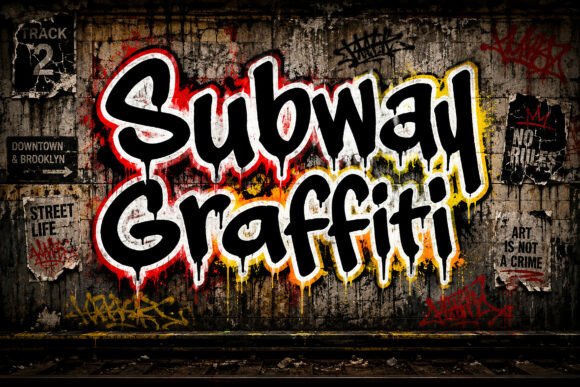
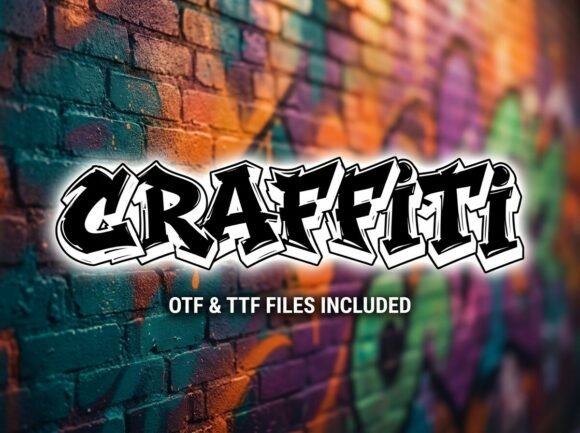
What sets a font like this apart from generic "grunge" or "distressed" typefaces is its deliberate construction. It's not just a standard alphabet with a rough texture applied on top. Instead, it's built from the ground up with the principles of wildstyle graffiti in mind. The letters are aggressively tilted and interlocked, creating a sense of kinetic motion even in static text. This overlapping block letter style, combined with sharp, chiseled cutouts, mimics the precision of a skilled muralist's outline.
The visual depth is another key feature. The stark white 3D drop highlight isn't an afterthought; it's engineered to simulate the layered effect of spray paint, where a dark outline is followed by a lighter fill and a sharp highlight to create dimension. This high-contrast structural approach ensures your text doesn't just sit on the surface—it pops, grabs attention, and commands a presence. For designers, this means you get that sought-after spray-paint depth without needing advanced illustration skills. The font does the heavy lifting, providing a solid, impactful foundation for your typography.
Practical Applications: Where This Urban Font Truly Shines
Knowing a font looks cool is one thing; understanding where it solves real design problems is another. The strength of a heavy, expressive display font lies in its ability to act as a focal point. It’s not meant for body copy or lengthy paragraphs. Its job is to make a statement, instantly conveying a mood and attracting a specific audience.
Consider its role in brand identity for projects targeting a younger, urban demographic. A skate shop logo, a hip-hop music label's masthead, or the branding for an underground music festival would benefit enormously from this typeface's inherent attitude. It communicates rebellion, creativity, and street credibility in a single glance. For packaging design, especially for products like energy drinks, streetwear, or limited-edition sneakers, it can create shelf appeal that screams "look at me" in a crowded market.
In the digital realm, its impact is equally powerful. Social media graphics and web design headers need to capture attention in a split second. Using this font for a YouTube channel banner, a Twitch stream overlay, or an Instagram story announcement can instantly set the tone and attract viewers who resonate with that aesthetic. It’s a fantastic tool for editorial design as well, perfect for magazine covers, feature article headlines, or blog post titles in the music, fashion, or extreme sports niche. Even for print materials like posters, event flyers, or merchandise—think bold t-shirt designs and sticker packs—it delivers a high-energy punch that generic sans-serif fonts simply can't match.
Smart Integration: Pairing, Readability, and Licensing
Introducing a font with such a strong personality into your toolkit requires a thoughtful strategy. The most important rule is contrast. Because Graffiti is so visually dominant, it demands a clean, simple partner. Pair it with a neutral sans-serif font for body text, subheadings, or any information that needs to be easily read. A classic like Helvetica, Arial, or a geometric sans-serif will provide the breathing room needed, ensuring your layout remains balanced and professional. Avoid pairing it with other decorative or script fonts, as the result will likely be visual chaos.
Readability is your next consideration. Always test your headline or logo at the actual size it will be viewed. At large sizes, the intricate details and overlapping elements are part of its charm. At very small sizes, however, those same details can become muddy and illegible. Use it for large, impactful statements where clarity at a distance is paramount. For smaller applications, opt for your secondary, more legible typeface.
Finally, a practical note on commercial licensing. If you're using this for a client project, a product for sale, or any commercial endeavor, ensure you have the correct license. Most premium fonts come with clear licensing terms that cover use across print, digital, and merchandise. Taking a moment to review this protects both you and your client, and ensures you're using the asset legally and ethically. Think of it not as a hurdle, but as an investment in a professional-grade design asset that can elevate multiple projects.
In a landscape saturated with clean, minimalist typography, having a bold, authentic urban font in your collection is a strategic advantage. It allows you to tap into a powerful visual language—the language of the streets—and translate it into designs that feel alive, energetic, and deeply connected to contemporary culture. Whether you're crafting a brand identity, designing a killer poster, or creating social media content that demands engagement, this typeface offers a direct line to that raw, creative pulse.