Royal: The Ornate Display Font for Unforgettable Branding
Imagine a typeface that doesn't just spell words, but builds a palace around them. Picture each letterform as a wrought-iron gate, intricate with scrollwork and crowned with authority. This is the realm of Royal, a premium ornate display font that transforms simple text into a statement of baroque grandeur and luxurious mystery. For designers and brand builders seeking to imbue their projects with a sense of historic weight and theatrical elegance, this typeface offers a key to a very specific and powerful visual language.
A Typeface Built on Stately Architecture
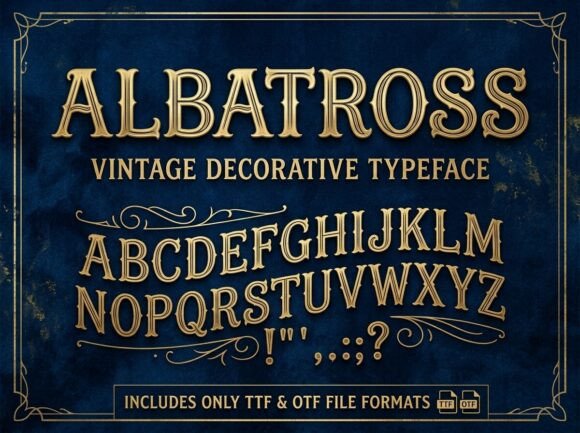
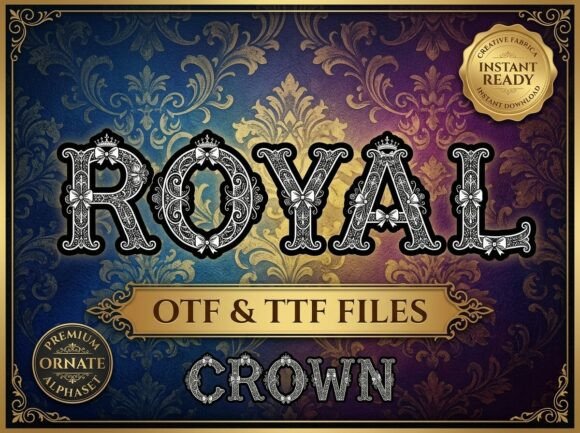
At its foundation, Royal is a heavy, stately slab-serif. This gives it a solid, grounded presence that ensures readability even as its decorative elements flourish. Think of it as a classical column: structurally sound and imposing, but also carved with exquisite detail. The magic lies in how each letter silhouette becomes a canvas for ornamental artistry. You'll find nested Victorian damask patterns within the strokes, delicate filigree scrollwork that connects characters, and subtle accents like tiny crowns and elegant bows at key intersections.
This level of detail is what makes it a standout creative font. It's not just a serif font with a few swashes; it's a fully realized design system in itself. The font often includes multiple styles—perhaps a clean base version for shorter text, a fully adorned version for maximum impact, and alternates or ligatures that allow for customized, flowing connections. This versatility is crucial for practical application, allowing you to dial the drama up or down to suit the project's needs.
Where Does a Font Like This Truly Shine?
The power of a display font like Royal lies in its ability to immediately set a tone. Its personality is one of luxury, tradition, fantasy, and a touch of the mystical. Consequently, it excels in projects where first impressions are paramount and the goal is to evoke a strong, specific emotion. It’s less about body text and more about creating a captivating visual anchor.
Consider its use in premium packaging design. For a boutique winery's reserve label, a craft distillery's aged spirit, or a luxury perfume bottle, Royal does more than list the name. It communicates the heritage, the care in craftsmanship, and the product's elite status before the customer even reads the description. The lettering becomes part of the brand identity, promising an experience of refinement.
In the world of editorial and publishing design, it finds a natural home on dark fantasy book covers, historical fiction titles, and mystical tarot deck artwork. The font's intricate details mirror the complex worlds and narratives within these genres. A logo or title set in Royal doesn't just identify the book; it acts as a portal, hinting at the realms of drama, magic, and epic story waiting inside.
Practical Applications for Your Creative Projects
Beyond its most obvious uses, integrating a font like Royal into your broader design toolkit can elevate numerous assets. Here’s how you can apply it effectively:
- Logo & Brand Identity: Use it for the primary wordmark of a high-end boutique, a historic hotel, a specialty tea shop, or a luxury event planning service. Pair it with a clean, modern sans-serif font for body copy to create a balanced and sophisticated brand identity system.
- Marketing & Social Media: Create stunning hero images for website banners, impactful title slides for presentations, or eye-catching quote graphics for social media. It ensures your key messages are not just seen, but remembered. Just ensure any text used over complex images remains legible.
- Print & Physical Materials: Elevate wedding invitations, gala programs, theater posters, or premium business cards. The tangible quality of a beautifully printed ornate font adds a layer of tactile luxury that digital screens cannot replicate.
- Digital Products & Merchandise: Design compelling cover art for digital planners, printable wall art, or exclusive membership certificates. For merchandise like high-quality posters or apparel, the font's detail translates beautifully to large-format printing.
Making It Work: Readability and Pairing
A font this detailed demands thoughtful implementation. Its very strength—visual complexity—requires careful consideration of context. As a general rule, use Royal for headlines, logos, and short, impactful phrases. Avoid setting entire paragraphs with it, as the intricate details can create visual noise and hinder reading flow at smaller sizes.
The art of font pairing is essential here. To let Royal be the "crown jewel," you need to surround it with simpler, supporting typefaces. A classic, clean serif font like a Garamond or a modern sans-serif like a Helvetica or Open Sans provides excellent contrast. This pairing creates a visual hierarchy: Royal captures attention and conveys personality, while the secondary font delivers information clearly and comfortably. Always test your pairings at the intended size and context to ensure harmony.
Before purchasing any premium font, always review the full character set and included styles. Check for the specific ornamental details, alternate characters, and language support you need. Furthermore, understand the commercial licensing. A reputable font will come with a clear license that outlines permitted uses—whether for a single client, multiple projects, or web embedding—to ensure you're using it legally and ethically in your commercial work.
Choosing a typeface like Royal is a strategic decision. It’s for the moments when you want to make more than an announcement—you want to make a declaration. When your project's story is one of legacy, luxury, or fantastical grandeur, this font provides the visual vocabulary to tell it compellingly. It’s not just about looking ornate; it’s about using that ornamentation to build a deeper connection with your audience, making every headline a doorway into the world you've created.