Cute Dog Font: A Playful Typeface for Creative Projects
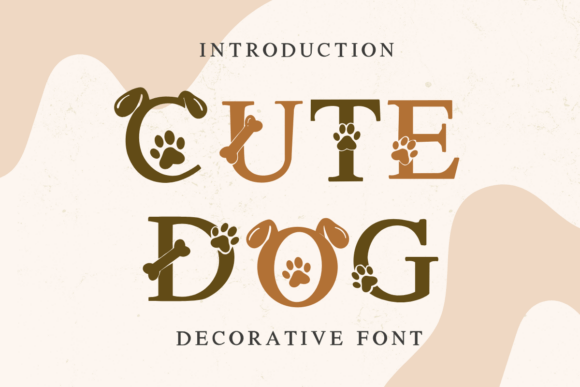
There's something undeniably joyful about a design that doesn't take itself too seriously. Whether you're crafting a birthday invitation for a child's party, branding a local pet grooming service, or creating merchandise for a dog-themed blog, the typography you choose sets the entire mood. Enter Cute Dog, a decorative display font that wraps charm and whimsy into every letterform. With dog bones replacing serifs, paw prints tucked into curves, and floppy ear details on ascenders, this typeface does more than spell out words—it tells a story. It's the kind of font that makes people smile before they've even read the message, and that emotional response is exactly what makes it such a valuable tool for designers, entrepreneurs, and creators who want their work to feel approachable and fun.
Where Personality Meets Purpose
Cute Dog isn't trying to be a workhorse sans serif or a refined serif font. It knows exactly what it is: a playful, heartwarming display typeface built for projects that need warmth and character. The integrated dog-themed elements—bones, paws, floppy ears—aren't just decorative afterthoughts. They're woven into the structure of each glyph with enough restraint that the letters remain legible while still delivering that unmistakable canine personality. This balance is what separates a well-executed decorative font from one that sacrifices readability for novelty.
For anyone working in branding, especially for pet-related businesses, this kind of visual personality is gold. A doggy daycare center, a pet bakery, a veterinary clinic with a family-friendly vibe, or even a children's bookstore could use Cute Dog in their logo or signage to instantly communicate warmth and approachability. The font does a lot of the emotional heavy lifting, which means you don't need to over-explain your brand's personality through lengthy copy or complicated design elements.
Real-World Applications That Actually Work
Let's get practical. Where does a font like Cute Dog genuinely shine? The answer is anywhere you want to inject personality without sacrificing clarity. Here are some specific scenarios where this typeface earns its place in your design toolkit:
- Pet shop branding and packaging: Think product labels for dog treats, shampoo bottles, or collar tags. Cute Dog on a label immediately signals to shoppers that this product was made with their furry friend in mind.
- Children's apparel and merchandise: T-shirts, tote bags, and onesies with playful dog illustrations paired with Cute Dog typography create cohesive, marketable products that appeal to parents and gift buyers.
- Birthday invitations and greeting cards: Whether it's a puppy-themed birthday party or a "gotcha day" celebration for a newly adopted dog, this font sets the tone before guests even open the envelope.
- Social media graphics: Instagram posts, Facebook headers, and Pinterest pins for pet influencers, rescue organizations, or veterinary practices benefit from a typeface that stops the scroll with its charm.
- Blog headers and editorial layouts: If you run a pet blog or a lifestyle site that frequently features animal content, using Cute Dog for section headers or pull quotes adds visual variety and reinforces your niche identity.
- Website design elements: While you wouldn't set body text in a decorative font, Cute Dog works beautifully for homepage banners, call-to-action buttons, or seasonal promotional graphics on a pet-related website.
- Print materials and posters: Flyers for adoption events, posters for dog walking services, or menu boards at a dog-friendly café all benefit from typography that feels welcoming and fun.
The key is knowing where to deploy it. A display font like Cute Dog is designed for headlines, logos, and short bursts of text—not for paragraphs of body copy. Pair it with a clean sans serif or a friendly rounded typeface for supporting text, and you've got a typographic system that's both expressive and functional.
Pairing, Readability, and Getting the Details Right
One of the most common mistakes with decorative fonts is using them in isolation or, worse, using them everywhere. Cute Dog works best when it's the star of the show in a headline or logo, while a more neutral typeface handles the supporting role. A soft, rounded sans serif makes an excellent companion—it echoes the friendly energy of Cute Dog without competing for attention. If your project leans more editorial, a light serif font can provide an elegant contrast that keeps the overall design feeling balanced.
Readability is always worth testing before you commit. Print out a sample at the size you plan to use it. View it on a mobile screen. Ask someone unfamiliar with the project to read it at a glance. Decorative fonts can sometimes lose clarity at smaller sizes or in low-contrast color combinations, so a quick round of testing saves you from headaches down the road. Cute Dog's design holds up well at medium to large sizes, which is exactly where display fonts should live.
Another detail worth reviewing: check what styles are included with the font. Many premium fonts come with multiple weights, alternates, or stylistic sets that give you more flexibility. Having access to a bold version, for example, lets you create visual hierarchy within your design while maintaining the same playful personality throughout.
Licensing and Commercial Considerations
If you're planning to use Cute Dog for commercial projects—whether that's selling merchandise, designing logos for clients, or creating marketing materials for your business—make sure you understand the licensing terms. Most creative fonts come with specific licenses that outline what's permitted. Some licenses cover desktop use only, while others extend to web fonts, app embedding, or print-on-demand platforms. Reading the fine print before you start a project protects you legally and ensures you're using the font within its intended scope.
For small business owners and freelancers, investing in a properly licensed commercial font is a small cost that pays dividends in professionalism. Using unlicensed fonts in client work or commercial products isn't just ethically questionable—it can lead to legal complications that cost far more than the font itself. When you purchase Cute Dog through a reputable foundry or marketplace, you're also supporting the designers who put real craft into creating these tools.
Bringing It All Together
The fonts you choose are silent ambassadors for the tone and values of your project. A playful, dog-themed display typeface like Cute Dog won't be the right fit for a corporate law firm's annual report—and that's perfectly fine. Its strength lies in its specificity. It speaks directly to pet lovers, parents shopping for children's products, and anyone who appreciates design that doesn't take itself too seriously.
When you pair Cute Dog with thoughtful color choices, complementary typography, and well-considered layouts, you create designs that feel cohesive and intentional. It's not just about picking a cute font and hoping for the best. It's about understanding your audience, knowing what emotional response you want to evoke, and selecting tools that support that vision. For projects in the pet industry, children's market, or any space where warmth and playfulness are assets, Cute Dog is a typeface that delivers real visual impact—and plenty of tail wags along the way.