Cindervale: The Story Behind a Font with Quiet Strength
There’s a feeling you get from old things—the weight of a worn leather journal, the faint impression left by a letterpress, the way ink bleeds slightly into handmade paper. It’s the mark of time and touch. As a designer, I often found myself chasing that feeling digitally, only to end up with something sterile. The quest wasn’t for a font that looked old, but for one that felt lived in. That’s the essence of Cindervale: a typeface born from the quiet obsession with imperfection, designed to bring warmth and human evidence back to the screen.
A Font with a Past: Where Cindervale Gets Its Character
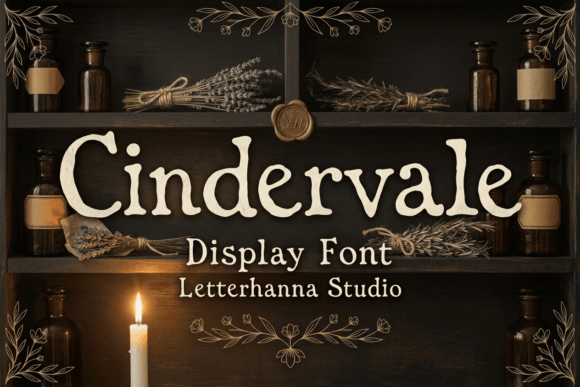
The name itself tells a story. Cinder—the remnant of fire, something that has endured heat and transformation. Vale—a sheltered valley, a place of quiet and growth. Together, they describe a typeface that feels both resilient and settled. This isn’t a font that shouts; it speaks with a calm, assured voice. Visually, it’s a display serif with hand-lettered origins. The strokes have a deliberate, natural weight variation, mimicking the honest pressure of a broad-nib pen. Terminals are rounded and slightly full, never sharp or clinical. The serifs anchor each letter with stability, not rigidity. The overall texture reads as aged without sacrificing clarity, imperfect without being messy. It’s designed for makers and storytellers who understand that real character is built slowly.
For anyone building a brand, this font offers a distinct advantage: immediate personality. Choosing a typeface is one of the most critical decisions in creating a brand identity. Cindervale, as a premium serif font, provides a foundation of authenticity. It’s perfect for a boutique bakery, an artisanal coffee roaster, a writer’s portfolio, or a sustainable fashion label. It communicates craftsmanship, history, and a hands-on approach before a single word is read. When paired with a clean sans-serif font for body copy, it creates a beautiful tension between the handmade and the modern, offering both readability and a strong visual hook.
Practical Magic: Putting Cindervale to Work
Theory is nice, but how does a font like this actually perform in real projects? Its strength lies in its versatility as a creative font for high-impact moments. Think about the applications where first impressions are everything:
- Logo Design & Branding: Cindervale excels here. Its unique letterforms make logos memorable. It’s especially effective for brands that want to convey heritage, artisanal quality, or a narrative-driven approach. Use it for your wordmark, and pair it with a simple sans-serif for your supporting text.
- Packaging Design: On a shelf or in an online store, packaging needs to tell a story quickly. This font adds a tactile, premium feel to labels for products like candles, cosmetics, gourmet foods, or craft spirits. It suggests the product inside is made with care.
- Editorial & Print Layouts: For books, magazines, lookbooks, or event programs, Cindervale brings sophistication. It’s stunning for chapter titles, pull quotes, or article headings in editorial design, adding a literary, timeless quality that engages readers.
- Web & Digital Presence: Used strategically on a website—for hero sections, blog post titles, or key calls-to-action—it creates visual interest and breaks the monotony of standard web fonts. It’s a powerful tool for improving brand recognition across digital platforms.
- Social Media & Marketing Assets: In the fast-scroll world of social media, distinctive typography stops thumbs. Use Cindervale for Instagram quote graphics, Facebook ad headlines, or Pinterest pins to establish a consistent, recognizable visual voice that stands out from generic templates.
- Invitations & Special Projects: From wedding invitations to concert posters or limited-edition merchandise, this font adds an instant layer of artistry and intention. It’s the difference between a standard invite and one that feels like a keepsake.
Finding the Perfect Match: Pairing and Practical Tips
Using a display serif like Cindervale effectively is about balance. Its personality is strong, so it rarely needs to carry an entire design alone. The key is thoughtful font pairing. A general rule is to contrast its organic, textured style with something cleaner and more neutral. Pair it with a geometric sans-serif font for body text to ensure maximum readability. The contrast allows the serif to shine as a headline font without overwhelming the viewer.
Before committing to a font for a major project, always test it in context. Set your actual headlines, not just the alphabet. See how the letters interact. Check the spacing (kerning) in your design software. Review the full character set—a good premium font will include alternates, ligatures, and extended language support, which can add subtle custom flair to your designs. Finally, understand the licensing. For any commercial project, ensure you have the appropriate license. This is a standard part of professional practice and protects both you and the font creator.
Cindervale is more than just a set of glyphs. It’s a tool for injecting narrative and warmth into your work. It’s for the designer who knows that the most compelling visuals are those that feel human, the business owner who wants their brand to tell a richer story, and the creator who believes that details like typography are what transform good projects into great ones. It’s a quiet testament to the idea that strength and beauty often reside in the things that have weathered a little, and settled into their own skin.