Speed: A Bold Typeface Built for Impact
You know the feeling when you're scrolling through a feed, and a single image makes you stop? It's not just the photo or the color; it's the text. It's bold, it's sharp, and it has this undeniable sense of motion, even though it's standing perfectly still. That’s the kind of energy a well-chosen display font brings to the table. For projects that need to convey action, confidence, and a modern edge, finding that perfect typeface is half the battle won. It sets the tone before a single word is read, creating an immediate impression that can make or break a design's effectiveness.
The Anatomy of a Dynamic Typeface
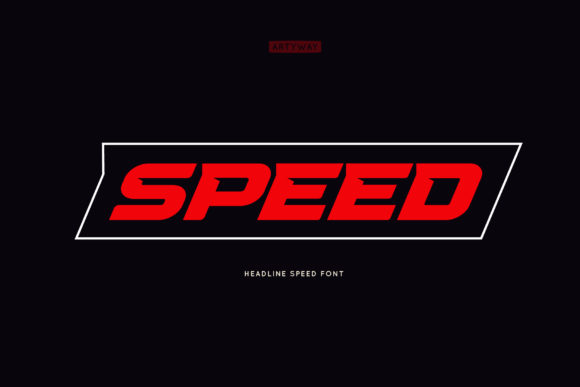
At its core, this particular display font is engineered for velocity. Its character is defined by sharp, clean corners that cut through visual noise, paired with a subtle forward slope that injects a sense of direction and urgency. This isn't a font that sits quietly in the background. It’s designed to command attention, making it a powerful tool for any creative looking to make a statement. The unique charm lies in its balance—while it’s undeniably bold and aggressive, its letterforms maintain a clarity that ensures easy visual readability. You don’t have to sacrifice legibility for style, which is a common pitfall with many high-impact typefaces.
This combination makes it exceptionally versatile for a range of applications where first impressions are critical. Think about the header of a website for a fitness brand, the title on an automotive event poster, or the logo for a new tech startup. In each case, the font does more than just label; it communicates a feeling of speed, innovation, and power. It’s the typographic equivalent of a sleek sports car—all sharp lines and purposeful design, built to perform.
From Brand Identity to Social Media Posts
So, where does a font like this truly shine? Its strength lies in headline and display contexts. Let's break down some practical scenarios where its personality can elevate a project.
For logo design and brand identity, it offers a fantastic starting point. A monogram or wordmark set in this typeface immediately conveys a brand that is forward-thinking, dynamic, and confident. It’s particularly effective for industries like sports, automotive, technology, entertainment, and any service or product that wants to be associated with momentum and results. The clean geometry ensures the logo remains crisp and scalable, whether it's embroidered on a polo shirt or displayed on a massive billboard.
When it comes to packaging design, shelf appeal is everything. A product name set in this bold display font can pop from a distance, guiding a customer's eye in a crowded retail environment. Imagine it on a bottle of energy drink, a box for performance gear, or the sleeve of a video game. The font's inherent energy can physically represent the product's promise.
In the digital realm, its impact is just as potent. For social media graphics, where you have mere seconds to grab attention, using this font for key quotes, sale announcements, or video thumbnails can stop the scroll. Its high-contrast style ensures it remains legible even when scaled down for a mobile feed. Similarly, on a website or blog, it can be used strategically for main headings (H1s) and section titles to create a strong visual hierarchy and guide the reader through the content. It pairs beautifully with a clean, neutral sans-serif or serif font for body text, creating a dynamic contrast that is both engaging and easy to read.
Smart Pairing and Practical Considerations
Choosing the right font is only step one. Using it effectively requires a bit of strategy. A common question is: how do you pair such a strong personality with other typefaces? The key is contrast. You don’t want two fonts fighting for the spotlight. Let the display font own the headlines. For body copy, subtitles, or supporting information, opt for something with a more subdued and highly readable character. A classic serif like Georgia or a humanist sans-serif like Open Sans can provide a stable, readable foundation that allows the bold headlines to truly pop without overwhelming the viewer.
Another practical tip is to consider the font family and licensing. Does the font you're considering come with multiple weights or styles? Sometimes a family includes a regular, italic, and condensed version, which can expand its utility across a single project, allowing for more nuanced hierarchy while maintaining a consistent visual voice. Furthermore, for any commercial project—whether it's a client logo, merchandise for sale, or marketing materials—always double-check the licensing. A premium font typically comes with a clear commercial license that grants you the rights for these uses, which is a crucial step to protect yourself and your clients legally.
Finally, test, test, test. Before you commit, set your actual headlines and key phrases in the font. View it at different sizes, on different backgrounds, and in the context of your other design elements. Does it maintain its clarity? Does it evoke the right emotion? Does it work with your chosen color palette? This hands-on testing is what separates a good design choice from a great one. The goal is to create a cohesive system where every element, especially typography, works in harmony to communicate your message clearly and powerfully.
In the end, a font is more than just a collection of letters. It’s a design asset with a voice. Selecting a typeface with a strong, intentional character like this one is about aligning that voice with your project's goals. It’s for the designer building a brand from the ground up, the entrepreneur creating launch materials, or the content creator crafting a signature visual style. When used thoughtfully, it doesn’t just display words—it builds recognition, engages your audience, and adds a layer of professional polish that makes your work stand out.