Orkaviel: A Display Serif for Branding with Timeless Character
Finding a typeface that feels both distinctive and timeless is a common challenge. You want something that grabs attention but doesn't feel trendy or disposable. Something with personality that can still carry a brand's message with clarity. This is where a well-crafted display serif like Orkaviel enters the conversation. It's not just another decorative font; it's a tool designed to bridge the gap between artistic expression and structural integrity, offering a specific kind of visual authority that’s hard to replicate with more common typefaces.
Where Classical Inspiration Meets Modern Design Needs
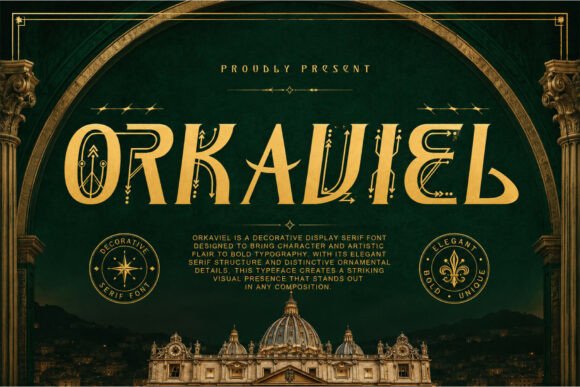
Orkaviel draws its essence from classical ornamentation and architectural aesthetics, but its execution is firmly planted in contemporary design. Think of the elegant, sturdy forms of ancient inscriptions or the refined details on a historic building’s facade. Those ideas are distilled into a digital typeface with strong serif forms and distinctive decorative accents. The result is a font that commands attention without shouting. It has a sophisticated presence, making it ideal for projects where you need to convey quality, heritage, or luxury. For a small business owner creating a brand identity, this means a logo or headline that feels established and credible from day one.
The practical beauty of Orkaviel lies in its balance. While it's undeniably decorative, it maintains excellent readability. This is a critical point often overlooked in display fonts. A beautiful, ornate typeface is useless if your audience can't easily read your business name or key message. Orkaviel’s letterforms are crafted to be visually engaging yet clear, making it a versatile asset. A content creator could use it for a bold blog title that needs to pop on a crowded screen, or a marketer could set a powerful tagline on a social media graphic that needs to be understood in a split second.
Practical Applications Across Creative and Commercial Projects
The true value of any design asset is how it performs in the real world. Orkaviel’s character makes it suitable for a wide range of applications, each benefiting from its unique blend of elegance and strength.
For branding and logo design, it offers a memorable foundation. A boutique hotel, a high-end jewelry line, or a professional consulting firm could use Orkaviel as their primary wordmark to instantly communicate a sense of refinement and authority. In packaging design, it helps products stand out on a shelf. Imagine a gourmet food label, a premium candle box, or a luxury skincare package—the font adds a layer of perceived value and craftsmanship.
Digital spaces benefit just as much. Website headers and blog titles set with Orkaviel can establish a site's tone immediately, whether it's for an editorial publication, a portfolio, or an e-commerce store. For social media graphics, it’s a powerful tool for creating thumb-stopping content. A bold quote, a sale announcement, or a podcast cover art gains instant visual hierarchy and professionalism. It translates beautifully to print materials like business cards, letterheads, and posters, where its details can be fully appreciated.
Beyond commercial use, it shines in editorial layouts for magazines or book covers, in creating elegant invitations for events, and in designing digital products like PDF guides or online course materials where a polished presentation enhances the user experience.
Integrating Orkaviel Into Your Design Workflow
Adopting a new typeface, especially a distinctive one, requires some thoughtful integration. The goal is to enhance your project, not overwhelm it. Here’s some practical advice for working with a font like Orkaviel.
First, understand its personality. Orkaviel is authoritative and elegant. It’s best suited for headlines, logos, and short bursts of impactful text. It’s generally not the right choice for long paragraphs of body copy. Pair it with a clean, neutral sans-serif font for your supporting text. A font pairing like Orkaviel for headlines with a simple sans-serif like Lato or Open Sans for body text creates a beautiful contrast that is both dynamic and highly readable. Always test your pairings in context—see how they look on a mockup website or a draft social media post.
Second, review the included styles. Does the font family come with different weights or alternate characters? Knowing what’s available helps you use the typeface more flexibly across a project. You might use a bolder weight for a primary logo and a lighter weight for subheadings to create a visual hierarchy within your brand identity.
Third, mind the readability. While Orkaviel is crafted for clarity, its decorative nature means you should pay extra attention to size and contrast. Ensure it’s large enough to be legible, especially on mobile devices. Check the contrast between the text color and the background. A dark Orkaviel headline on a light background works well; a light gray version on a white background might not.
Finally, consider licensing. If you’re using Orkaviel for client work, merchandise for sale, or large-scale commercial projects, verify that the license covers your intended use. Most premium font foundries offer clear commercial licenses, but it’s your responsibility to ensure compliance. This due diligence protects both you and the type designer’s work.
Elevating Visual Communication With Intentional Typography
Choosing a typeface like Orkaviel is a deliberate design decision. It’s about selecting a tool that aligns with the story you want to tell. It won’t be the right fit for every project—a playful children’s brand or a minimalist tech startup might need something different. But for projects that call for a touch of timeless sophistication, strong character, and professional polish, it’s a compelling option.
In the end, great design is about clear communication. A font is a voice. Orkaviel’s voice is one of refined confidence, making it a valuable asset for designers, entrepreneurs, and creators aiming to build a visual language that resonates with depth and distinction. By applying it thoughtfully and pairing it wisely, you can leverage its unique character to build stronger brand recognition and create more engaging visual experiences.