Honey Bubble: A Font That Brings Playful Ideas to Life
There’s a specific feeling you get when a design just clicks—a sense of rightness where every element works in harmony. Often, that magic starts with typography. If you’ve ever searched for a font that feels genuinely joyful, soft yet bold, and instantly engaging, you may have just found it. Meet Honey Bubble, a display typeface that captures the essence of playful creativity. Its rounded forms and bubbly character make it a standout choice for anyone looking to inject warmth and personality into their visual projects.
This isn’t just another cute font. It’s a versatile design asset with real-world applications across branding, digital content, and print. Whether you’re a small business owner crafting your first logo, a social media manager designing eye-catching posts, or a crafter adding a personal touch to merchandise, understanding how to use a font like Honey Bubble effectively can transform your work from ordinary to memorable.
Understanding the Visual Appeal of a Bubble Display Font
What makes Honey Bubble so visually appealing? At its core, it’s a display font, meaning it’s designed to grab attention rather than be used for long paragraphs of body text. Its personality is built on soft, rounded terminals, generous letter spacing, and a bold weight that ensures it stands out even at smaller sizes. Think of it as the typographic equivalent of a friendly, approachable smile.
Unlike a stark sans serif font or a traditional serif font, Honey Bubble’s curves feel organic and inviting. This quality makes it particularly effective for projects that aim to communicate approachability, fun, or creativity. It avoids the clinical feel of some modern typefaces, instead offering a touch of whimsy that can soften a brand’s overall aesthetic. When paired thoughtfully, it can complement cleaner typefaces beautifully, creating a balanced and professional font pairing.
Practical Applications: Where to Use This Creative Font
The true test of any premium font is its utility. Honey Bubble’s strength lies in its adaptability across a surprising range of projects. Here’s where it truly shines:
- Brand Identity & Logo Design: For businesses targeting a younger demographic or those in creative industries like bakeries, toy shops, children’s education, or lifestyle brands, this typeface can form the cornerstone of a memorable logo. Its distinct shape aids in instant brand recognition.
- Packaging Design: Imagine Honey Bubble on product labels for artisanal goods, cosmetics, or snack foods. It communicates quality and care with a friendly, approachable vibe that can make a product leap off the shelf.
- Social Media Graphics: In the fast-scrolling world of Instagram and TikTok, a display font like this stops the thumb. Use it for bold headlines on quote graphics, sale announcements, or event promotions to boost audience engagement.
- Web Design & Blogs: While not for body copy, it’s perfect for website headers, navigation menus, or call-to-action buttons. On a blog, it can stylize post titles or highlight key sections, adding a consistent visual signature that strengthens visual consistency.
- Print Materials & Posters: Flyers for community events, posters for local markets, or menus for cafes benefit from its high legibility at a distance and its cheerful personality.
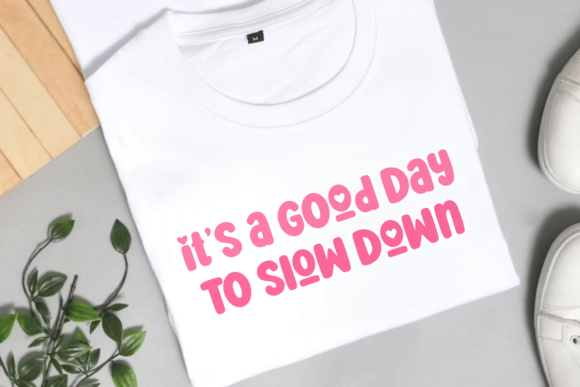
- Merchandise & Invitations: From t-shirts and tote bags to birthday party invitations and wedding stationery, Honey Bubble adds a custom, crafted feel that elevates the final product.
- Editorial & Digital Products: Use it sparingly in magazine layouts for pull quotes or chapter headings. It’s also excellent for titling digital products like e-books, planners, or online course modules.
Matching Typography to Your Project Goals
Choosing a font is a strategic decision. It’s not just about what looks pretty; it’s about what communicates the right message. Ask yourself: What is the core emotion or idea I need to convey?
Honey Bubble is ideal when your goal is to be playful, friendly, creative, or youthful. It might not be the best fit for a law firm’s annual report, but it could be perfect for a creative agency’s portfolio or a startup’s app interface. Always consider your audience. A font that resonates with parents buying children’s clothing might differ from one that appeals to tech enthusiasts.
A crucial part of using any creative font is testing its readability. Honey Bubble’s bold, clear letterforms generally perform well, but context matters. Always test it at the intended size and on the intended medium—what looks great on your computer screen might need adjustment for print or a mobile device. Furthermore, review the font package you purchase. Does it include multiple weights or styles? Understanding the full range of your design assets allows for greater flexibility and cohesion in your projects.
Bringing It All Together: Font Pairing and Professional Polish
A font rarely works in complete isolation. The art of font pairing is about creating harmony and hierarchy. Honey Bubble, with its strong personality, pairs best with simpler, more neutral typefaces. A clean sans serif font like Montserrat or Lato for body text can provide a perfect counterbalance, ensuring your overall design remains readable and professional.
For a more sophisticated look, you might pair it with a classic serif font for subheadings, letting Honey Bubble handle the primary headline. The key is contrast and balance. You want the viewer’s eye to flow naturally through your design, with the bubble font serving as the engaging focal point that guides them.
Finally, never overlook commercial licensing. If you’re using Honey Bubble for a client project, merchandise for sale, or any commercial enterprise, ensure you have the correct license. This is a fundamental part of professional practice that protects you and respects the work of the type designer. A legitimate commercial font license is an investment in your project’s integrity and your own peace of mind.
In the end, a typeface like Honey Bubble is more than just a set of letters. It’s a tool for storytelling. It can help a brand find its voice, make a social media post go viral, or give a handmade product a professional finish. By choosing fonts intentionally and applying them with care, you’re not just decorating—you’re communicating, connecting, and bringing your unique ideas to life with clarity and charm.