Burned: The Typeface That Captures Grit and Authenticity
A Typeface with a Story to Tell
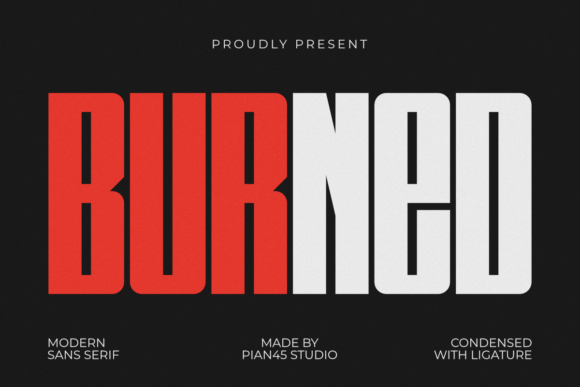
Some fonts whisper. This one roars. Burned is a modern sans serif that doesn't just sit quietly on a page—it makes a statement. Its bold, condensed structure is immediately commanding, but what truly sets it apart is the distressed, worn texture that runs through every letterform. This isn't a font that pretends to be pristine; it embraces its rugged character. The result is a typeface that feels authentic, weathered, and full of personality. It's the kind of design asset that can instantly give a project an edge, transforming a simple layout into something with depth and narrative. For designers and creators looking for a font with real presence, this offers a unique blend of modern geometry and vintage soul.
Where This Font Truly Shines: Real-World Applications
Understanding a font's personality is one thing; knowing where to use it is where the real value lies. The strength of this typeface lies in its versatility for high-impact, high-visibility projects. Its bold condensed form and gritty texture make it a natural fit for applications where you need to cut through visual noise and leave a lasting impression.
Consider its role in brand identity and logo design. A streetwear brand, a craft brewery, a recording studio, or a specialty coffee roaster could use this font to instantly communicate a core identity that is raw, established, and confident. It carries a sense of heritage and toughness that can be difficult to achieve with cleaner, more neutral fonts. For packaging design, it can make a product jump off the shelf, especially for items in the outdoor, automotive, or artisanal food spaces. The texture adds a tactile quality even to digital mockups, suggesting a product with substance.
Beyond static branding, its applications are wide-ranging:
- Merchandise & Apparel: Perfect for t-shirt graphics, hat embroidery, and sticker designs. The distressed look often prints beautifully on fabrics, adding to its authentic feel.
- Posters & Event Graphics: Ideal for concert posters, festival promotions, or urban event flyers. It grabs attention from a distance and holds it.
- Digital & Social Media: Use it for bold headlines on websites, impactful YouTube thumbnails, or Instagram story graphics that need to stand out in a fast-scrolling feed.
- Editorial & Blogging: Can be used sparingly but effectively for section headers in a magazine layout or blog post to break up content and add visual interest.
- Marketing Assets: Strong for sale banners, promotional flyers, and email newsletter headers where you need to communicate urgency or importance.
The key is to match the font's energy to your project's goals. It's not the right choice for a delicate wedding invitation or a corporate law firm's website. But for projects that need to convey strength, rebellion, craftsmanship, or vintage cool, it's a powerful tool in your design arsenal.
Practical Tips for Pairing and Readability
A powerful display font like this works best when it's part of a balanced typographic system. Using it for every line of text would be overwhelming and hurt readability. The smart approach is to treat it as your headline or accent font and pair it with a more neutral, highly readable typeface for body copy.
Think of creating a contrast in both style and weight. For example:
- Pair it with a clean, simple serif font for body text in an editorial layout. The contrast between the textured, modern display font and a classic serif can create a sophisticated yet edgy look.
- Combine it with a light, geometric sans serif font for website navigation and paragraph text. This keeps the overall feel modern and clean while letting the headlines do the talking.
- For a more rugged, utilitarian vibe, consider pairing it with a monospaced font for sub-headers or technical details.
Always test your pairings in context. View them at the actual size they'll be used, on both desktop and mobile screens. Ensure there's enough contrast so the hierarchy is clear: your audience should instantly know what's the main headline and what's supporting text. Also, check the licensing. For any commercial project—whether it's a client logo, merchandise for sale, or a paid digital product—you need to ensure you have the correct commercial font license. Reputable premium fonts come with clear licensing terms that cover these uses, protecting both you and your client.
Choosing a Font That Works as Hard as You Do
Ultimately, selecting a typeface is a strategic decision. It's a core component of your visual communication. A font like Burned isn't just a collection of letters; it's a design asset that carries specific connotations and can significantly influence how your audience perceives your message. By choosing a typeface whose personality aligns with your brand's values—whether that's authenticity, strength, or creativity—you build visual consistency across all touchpoints. This consistency is what helps build brand recognition over time.
When exploring a premium font like this, take the time to review all the included styles and weights. Some distressed fonts include alternate characters or stylistic sets that can add even more variety. Experiment with it in a mockup before committing. Does it feel right for your specific project? Does it maintain its character when scaled down for a favicon or scaled up for a banner? A great font should be versatile within its intended personality.
In a landscape saturated with clean, minimalist design, a font with genuine texture and character can be a refreshing differentiator. It allows you to create marketing assets and digital products that don't just look good, but feel real. For the designer, entrepreneur, or content creator aiming to make an authentic connection, having a typeface like this in your toolkit provides a direct path to a bolder, more impactful visual language.